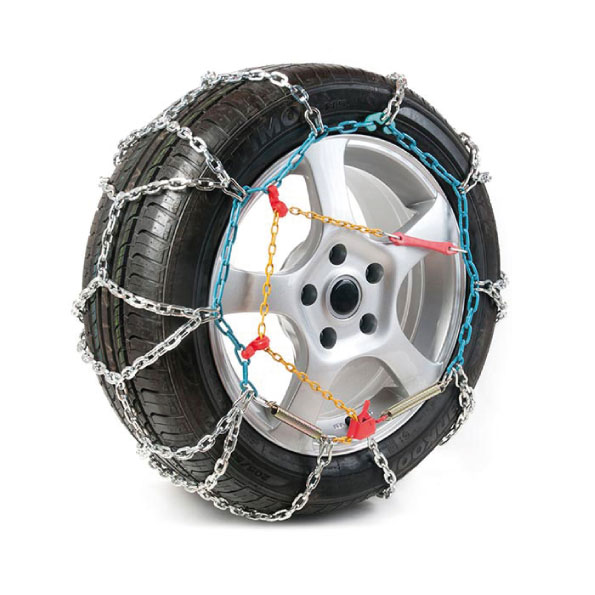
Snow chains are additional equipment used on vehicles to improve traction on icy or snow-covered roads.
- Increased traction: Snow chains provide additional traction on slippery surfaces, such as snow and ice. This helps the driver maintain control of the vehicle and reduces the risk of slipping.
- Better braking: When driving on snow or ice, braking can become challenging. The use of snow chains improves the braking ability of the vehicle, reducing the stopping distance and increasing safety.
- Increased stability: Snow chains contribute to the increased stability of the vehicle, especially during turns and uphill driving.
- Legal requirements: In some regions, the use of snow chains may be legally required during winter conditions. This is typically enforced in areas where winter storms and frequent snowfall occur.
It is advisable to be familiar with the proper installation and use of snow chains to ensure safe driving in winter conditions.
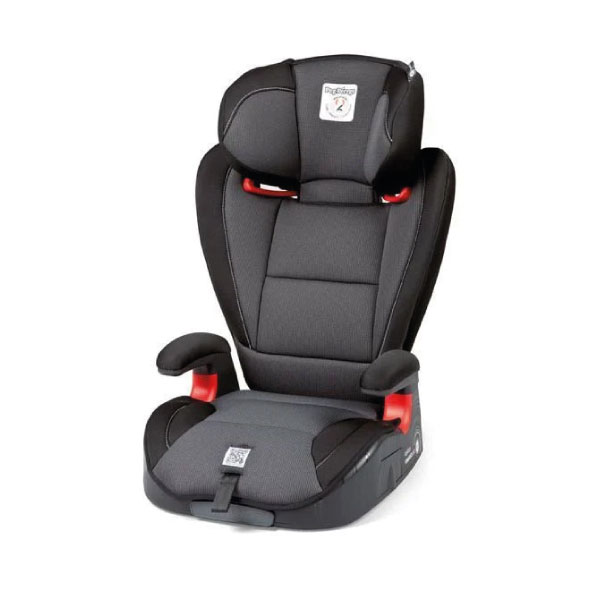
Child seats are mandatory equipment in many countries, and their role is to provide safety and protection for the youngest passengers during travel.
- Child safety: The primary goal of child seats is to provide additional protection during traffic accidents. These seats are designed to absorb impacts and reduce the risk of injuries.
- Adjustment to the size and weight of the child: Child seats are available in various sizes and categories to suit different ages and weights of children. This ensures proper positioning and support during travel.
- Compliance with laws: In many countries, laws require the use of child seats, usually up to a certain age or height of the child.
- Reduction in the severity of injuries: The use of child seats significantly reduces the severity of injuries during traffic accidents. Properly installed seats can prevent injuries to the head, neck, spine, and other parts of the body.
- Safe installation in the vehicle: Child seats are designed to be properly installed in the vehicle and securely attached. Proper installation is crucial for the effectiveness of the seat. Child seats are provided in the vehicle upon request of the accompanying children. Mounting – attaching child seats to the car seat is the sole obligation and responsibility of the accompanying child!
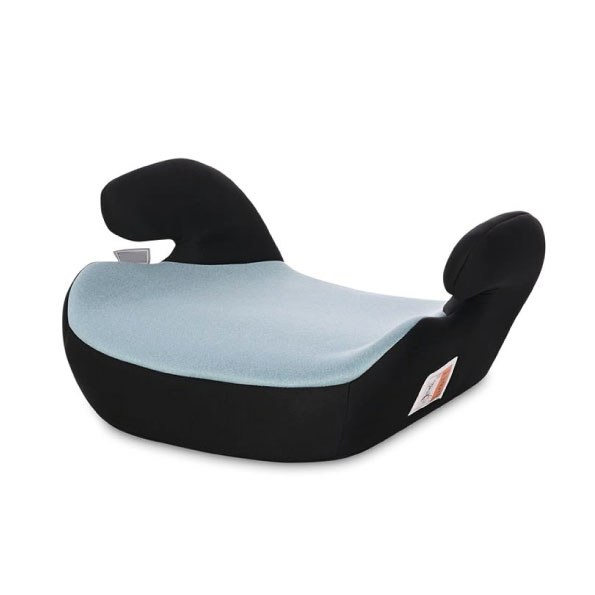
Booster seats are a type of child car seat used for older children who have outgrown the phase of using traditional infant or child seats.
- Increase in height: Booster seats elevate the child to ensure proper use of the seatbelt in the vehicle. This is especially important for the seatbelts to be correctly positioned over the shoulders and hips of the child.
- Adjustment to seatbelts: Vehicle seatbelts may be designed for adult passengers. By using booster seats, it ensures that the seatbelt properly crosses over key parts of the child’s body, providing optimal protection.
- Enhancement of safety: Through the correct positioning of seatbelts, booster seats contribute to increased safety for children during travel. This is particularly crucial in the event of a collision.
- Legal requirements: In many countries, there are legal requirements mandating parents to use appropriate child seats, including booster seats, based on the age and weight of the child.
- Portability: Booster seats are typically lighter and easier to install than baby seats, making them more practical.
- Safe installation in the vehicle: Booster seats are designed to be properly installed in the vehicle and securely attached. Proper installation is crucial for the effectiveness of the seat. Booster seats are provided in the vehicle upon request of the accompanying children. Mounting – attaching child seats to the car seat is the sole obligation and responsibility of the accompanying child!
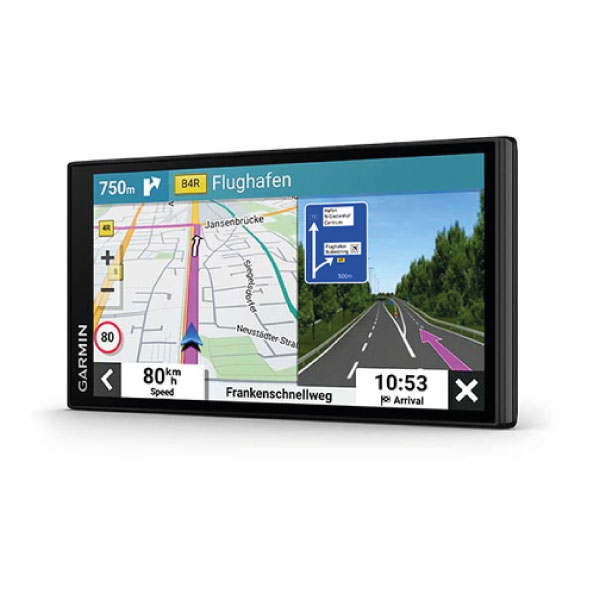
Vehicle navigation is a key function that helps drivers efficiently reach their destination.
- Convenience and simplicity: The navigation system provides a practical and straightforward solution for drivers, allowing them to easily find their way to the desired destination without the need for external devices.
- Real-time traffic information: Many navigation systems provide real-time traffic information, enabling drivers to avoid congestion and choose the optimal route.
- Driving safety: Using navigation can contribute to driving safety as drivers spend less time searching for the route.
- Additional features: Navigation systems often include additional features such as searching for restaurants, gas stations, hotels, etc.
It is recommended to check how the navigation system functions before starting your journey, as well as to become familiar with its basic features.